

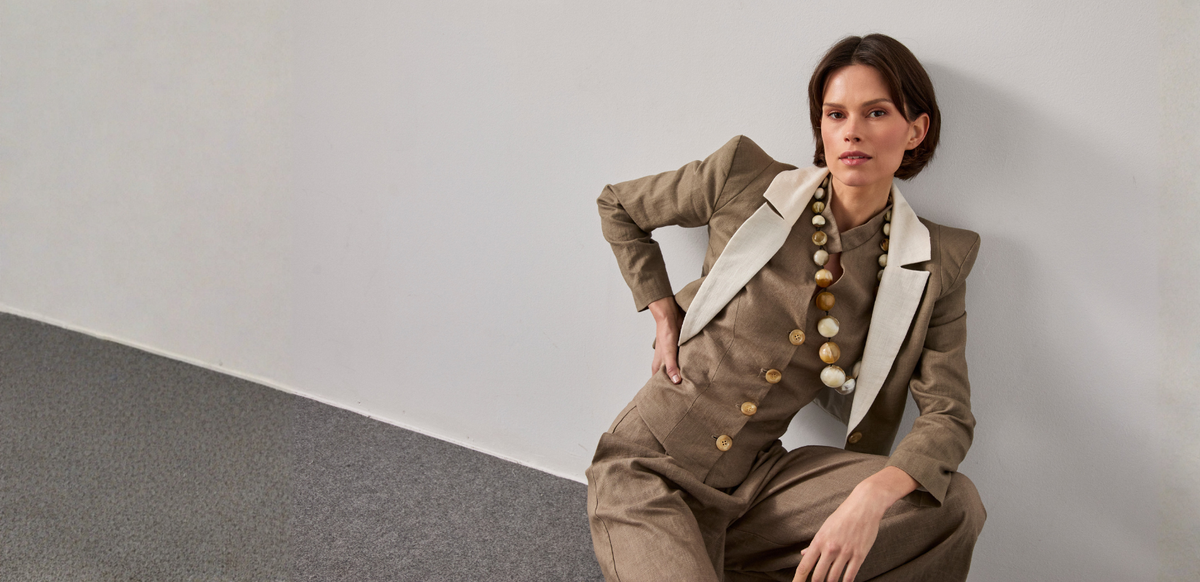
Fashion from the 1940s and 1950s continues to be one of the major influences on contemporary design. Structured shoulders, defined waists, midi dresses, full skirts and retro prints continue to reappear season after season.
Although both decades shared a taste for a very defined silhouette, they responded to very different contexts. The 1940s were marked by functionality and scarcity; the 1950s brought back volume, colour and a much more ornamental vision of fashion.
Fashion from the 1940s and 1950s: the key elements at a glance
- 1940s: defined shoulders, two-piece suits, straighter skirts and functional garments.
- 1950s: very defined waist, full skirts, midi dresses and a greater presence of colour.
- Enduring elements: womenswear tailoring, fitted silhouettes, retro prints and statement accessories.
- Current influence: many of these references continue to be present in contemporary dresses, suits and guest-of-honour outfits.
What was fashion like in the 1940s?
Fashion in the 1940s was profoundly shaped by the Second World War. The scarcity of materials and restrictions on the use of fabrics forced garments to be simplified and more practical solutions to be sought.
This need ended up defining a very recognisable aesthetic: clean lines, defined shoulders, cinched waists and garments capable of adapting to different times of day.
Structured suits and defined shoulders
Skirt and jacket suits became very prominent. Jackets usually defined the shoulders and cinched the waist, while skirts maintained straighter lines and modest lengths.
This combination projected a practical and confident image and helped establish womenswear tailoring as an important part of the wardrobe.
Garments designed to last
Clothing had to be functional and suitable for use in different contexts. This is why mix-and-match garments, relatively simple cuts and durable fabrics became more important.
Subdued colours and understated prints
Brown, navy blue, black and other deep shades were common. When prints did appear, they tended to be more understated, featuring small floral or geometric motifs.
Accessories and beauty
Even in a context of restrictions, accessories continued to play an important role. Gloves, hats and small bags allowed a simple base to be transformed, while defined waves and curls reinforced the character of the era.

How did fashion change in the 1950s?
After the end of the war, fashion in the 1950s gradually brought back volume, ornamentation and a much more defined silhouette.
One of the fundamental references was Christian Dior's New Look, characterised by a narrow waist and full skirts. This new proportion had a decisive influence on the image of the decade.
The waist takes centre stage again
The silhouette was built around a very defined waist. Fitted bodices were combined with fuller skirts, creating a very characteristic hourglass shape.
Midi dresses and full skirts
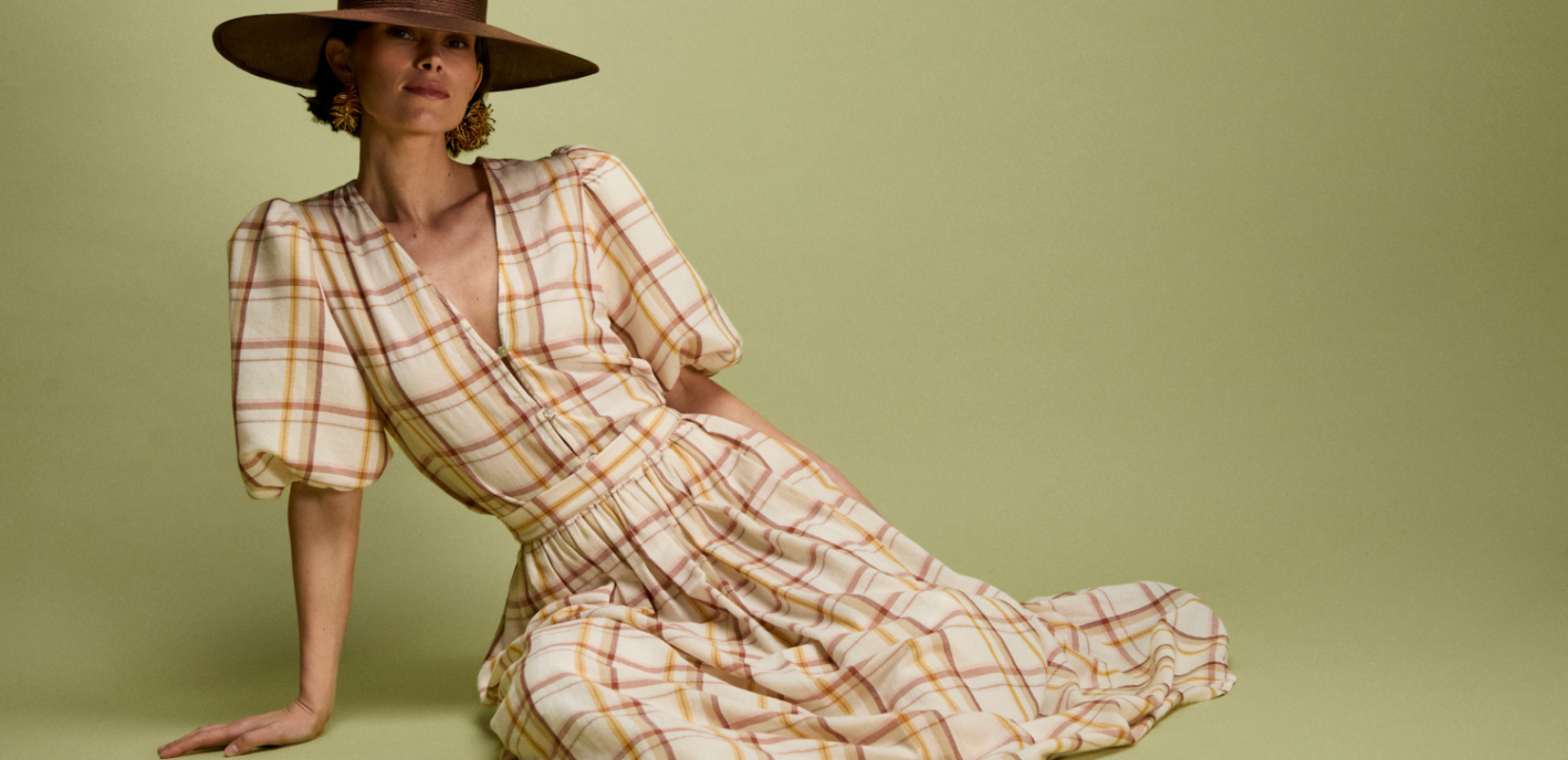
Day and cocktail dresses adopted midi lengths, fitted bodices and A-line or full skirts. This is one of the legacies of the 1950s that continues most clearly in contemporary fashion.
If you are interested in this silhouette, you can find more information in our guide to cocktail dresses for weddings .
Stripes, florals, polka dots and pastel shades
In contrast to the sobriety of previous years, the 1950s opened the door to a broader palette. Floral prints, polka dots, stripes and pastel colours gained prominence.
Very defined accessories
Gloves, belts, pearls, small hats and handbags helped complete the silhouette. Rather than being secondary elements, they were an important part of the look.

Differences between fashion in the 1940s and 1950s
| Element | 1940s | 1950s |
|---|---|---|
| Silhouette | Straighter and more structured | Defined waist and full skirt |
| Shoulders | Defined and structured | Softer |
| Skirts | Straighter and more functional | Midi, A-line and full |
| Colour | Brown, black, navy blue and understated shades | Pastels and more visible prints |
| Key garment | Skirt and jacket suit | Waist-defining midi dress |
Which trends from the 1940s and 1950s are still present today
Many of the ideas that defined both decades continue to appear in contemporary collections, although reinterpreted with modern fabrics, proportions and finishes.
Structured shoulders
One of the clearest references from the 1940s is the construction of the shoulder. Today, it is once again used to add presence to dresses, jackets and guest-of-honour outfits.
The Gala Dress , for example, combines structured shoulders with three-quarter sleeves and a midi silhouette.

Defined waists
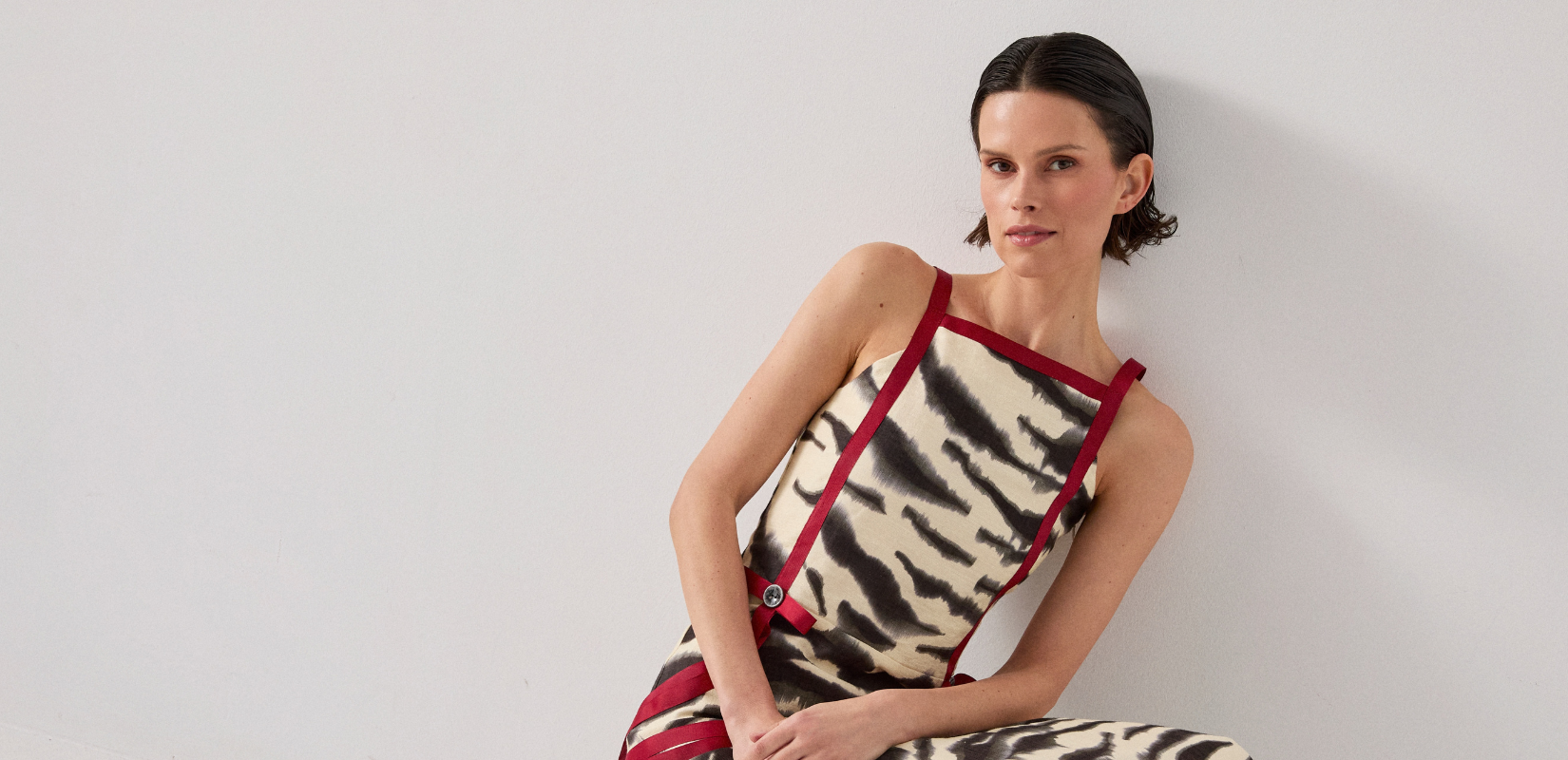
The emphasis on the waist, especially characteristic of the 1950s, continues to be one of the most used techniques for creating midi dresses.
The Leire Cherry Dress achieves this proportion with a fitted bodice, a defined waist and a skirt with a more fluid drape.

Midi dresses and skirts with movement
Midi length is probably one of the most visible legacies of these decades. Today, it is still found in both guest-of-honour dresses and skirts and cocktail outfits.
At Vogana, this reference is reinterpreted through asymmetry, fluid fabrics, defined shoulders and cuts that update the silhouette.
Womenswear suits
The two-piece suit gained particular importance during the 1940s and continues to be an alternative to dresses for weddings, events and special occasions.
If you are interested in this evolution, you can consult our guide to suit jackets for wedding guests .
How to reinterpret a look inspired by the 1940s or 1950s today
Drawing inspiration from these decades does not mean reproducing a complete historical look. The most interesting approach is to choose one or two elements and bring them into the present.
- For a 1940s-inspired look: try structured shoulders, a suit jacket or a palette of brown, navy blue or burgundy.
- For a 1950s-inspired look: look for a defined waist, midi length or a skirt with more movement.
- For accessories: a small bag, a statement earring or a classic shoe may be enough.
- Avoid the costume effect: mix these references with contemporary elements to maintain a modern image.
In summary
Fashion from the 1940s and 1950s left two very different ways of understanding the female silhouette.
The 1940s established defined shoulders, tailoring and a more functional way of dressing. The 1950s brought the waist, full skirts and midi dresses back to centre stage.
Today, those references live on in garments that reclaim their proportions without compromising on a contemporary look.

Leave a comment
This site is protected by hCaptcha and the hCaptcha Privacy Policy and Terms of Service apply.